
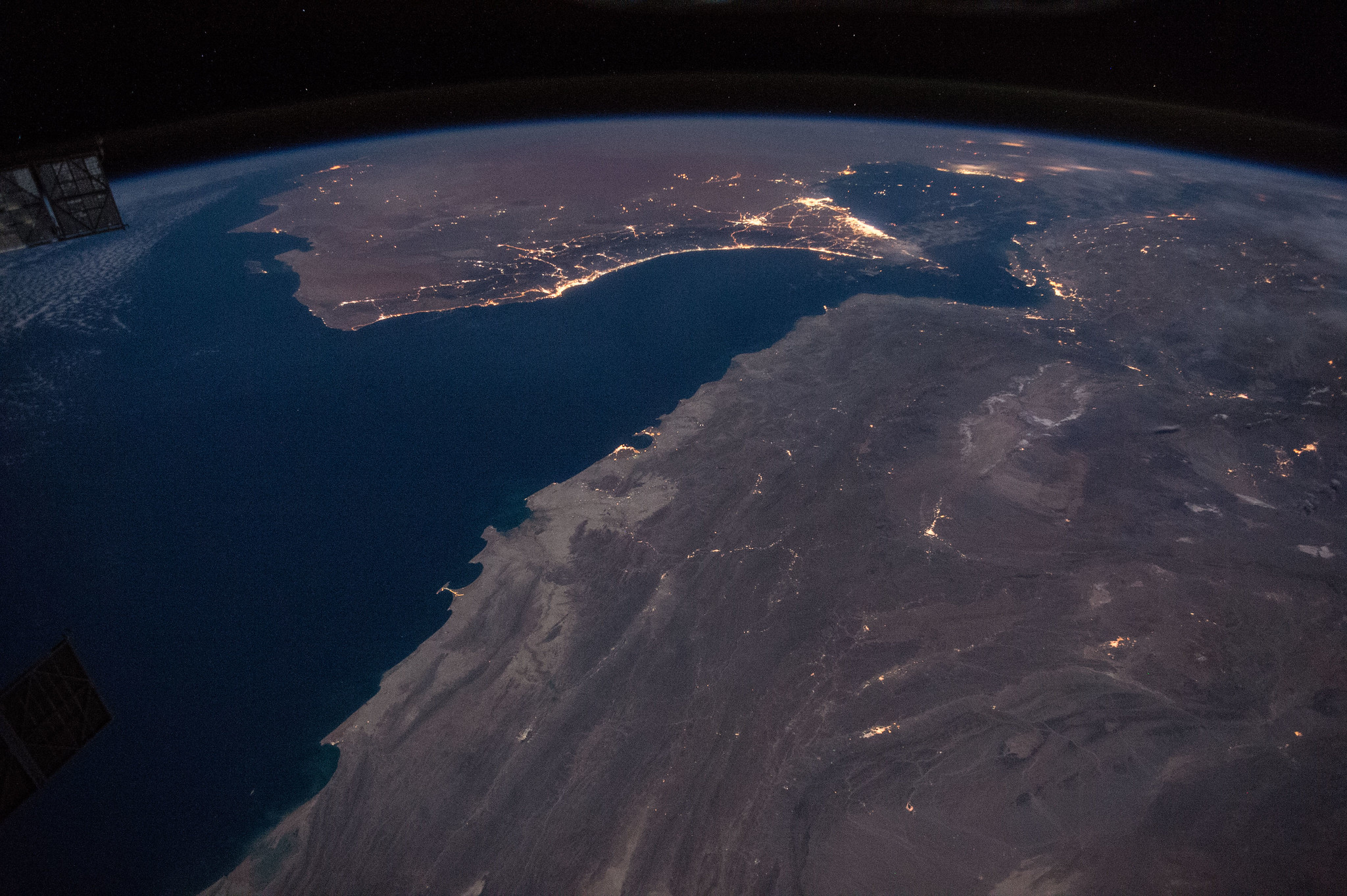
Strait of Hormuz and Musandam Peninsula, image credit: NASA
As the Iran war sends another shock through energy markets, recent reporting suggests it may also accelerate a shift that was already underway: more countries treating renewables and grids as energy security infrastructure, not only climate policy. In Europe, leaders are explicitly framing fossil dependence as a cost and vulnerability, and pointing to renewables and grid investment as part of the response. At the same time, the crisis is showing how quickly energy markets respond to risk pricing: war-risk insurance premiums have surged, reshaping routing and freight decisions around key corridors. That is why we are resharing this article by StateUp CEO Tanya Filer, originally published by the World Economic Forum in March 2025: the low-carbon transition will not be delivered by technology and capital alone. It also depends on whether innovative projects can be insured credibly and affordably at scale.
Selected highlights
The insurance industry has already played the role of a “dewilder” by underwriting the risks associated with fossil fuels, as author and entrepreneur John Elkington has pointed out. Were insurers to accurately and swiftly underwrite emerging renewable energy projects, the industry could shape-shift into a rewilder, while also making an outsized contribution to securing energy and building economic prosperity.
(Read the full article via the World Economic Forum)
If you’d like to discuss energy resilience, risk intelligence, and insurability, contact us:
Contact: hello@stateup.co


