Anthropic at the Vatican signals a new era of geopolitics—Europe must pay attention
Author:

Tanya Filer
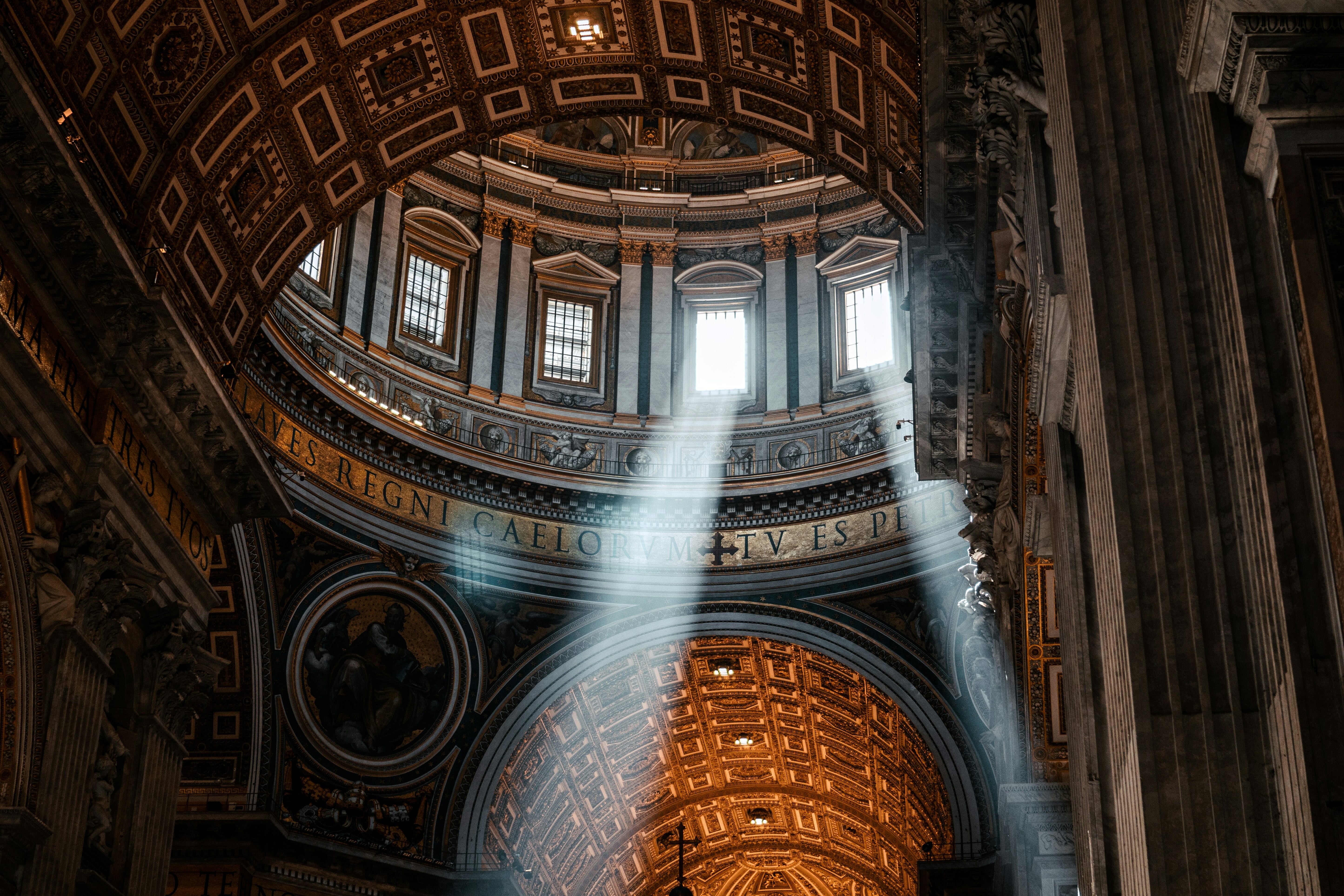
Photo by Julian Stollmeier on Unsplash
There was a striking moment in Rome this week: Anthropic co‑founder Chris Olah – an atheist AI scientist – standing in the Vatican and warning Pope Leo XIV that “geopolitical pressure” is one of the incentives that can pull AI companies away from “doing the right thing”.
Olah was responding to Pope Leo’s first encyclical on artificial intelligence, in which he argued that AI systems now structure global labour markets and welfare states, underpin critical energy and digital infrastructure, and shape information environments and defence decisionmaking. In effect, theology and frontier labs have now converged on the same conclusion: AI firms are no longer just market players; they are geopolitical actors, operating at the juncture of state power and global systemic risk.
This reality has been absorbed in Washington far more than in Europe. US frontier firms are already enmeshed in national security partnerships, export‑control regimes and allied coordination frameworks. Anthropic itself has been cast out by Donald Trump as a national security risk. In 2024, 27 (almost exclusively US) technology companies signed a pledge to combat the deceptive use of AI in elections. Firm strategy has become, in large part, geopolitical strategy - and influence.
Well paid jobs are following. Beyond traditional government affairs roles, recently advertised positions include “geopolitical analyst”, “research scientist, geopolitics”, “national security lead, global affairs”, all attracting base salaries over $200 thousand. There is growing recognition among the hyperscalers that we are no longer in the era where companies only need their own foreign policy; they are playing a role, willing or otherwise, in determining how states shape theirs, too.
Dame Fiona Murray, Professor at MIT and board member of NATO’s innovation fund has put it bluntly: we “never used to teach our startup entrepreneurs to think about geopolitics”, but ignoring it is no longer an option. For boardrooms in London, Paris, Tallinn or Lisbon, having a geopolitical position is becoming at least as important as having a product roadmap or a data strategy.
Yet European tech companies are laggard in this respect. Beyond those that are tackling geopolitics head on - typically through cyber or defence plays - they often treat geopolitics as a compliance issue rather than a strategic identity, even as their infrastructure, customers and supply chains tie them into US and Chinese security orders.
This is a business critical mistake: If US firms see themselves as instruments of national power, and European firms reject or fail to grasp the framing, they risk becoming objects on a chessboard, not actors within it. The aim is not regulatory capture - with which US Big tech is often charged - but actively helping to shape regional resilience.
The gap is increasingly untenable, as European governments are recognising through their economic statecraft. The EU has excluded Chinese inverters from funded energy projects on cybersecurity grounds; the UK has a £500m Sovereign AI fund; Estonia has launched a NATO‑linked defence‑tech fund, with lethality in scope. These instruments are controversial - but they signal that states are beginning to act on the assumption that tech firms are strategic assets and vulnerabilities within a wider geopolitical contest.
The Vatican performance not only confirms that tech firms now lie at the centre of geopolitics. It structures a new form of global diplomacy. After years of quieter engagement through initiatives like the Minerva Dialogues, this was the most public declaration yet of a prototype for new, exclusive yet multistakeholder alliance-building, involving religious soft power, frontier labs, and states. The Church is signalling it will work with cutting‑edge AI companies, but on terms defined by human dignity, the global poor, and a rejection of arms‑race logics. In the AI era, that may be the boldest geopolitical move so far to emerge from Europe.


%201.png)

